An overheating engine is one of the most common issues that car owners face, especially in cities with hot climates and heavy traffic. When the engine temperature rises beyond safe limits, it can lead to severe damage, costly repairs, and unexpected breakdowns. Fortunately, with the right maintenance habits and awareness, overheating can often be prevented before it becomes a serious problem.
Understanding how your vehicle’s cooling system works and following a few preventive steps can help keep your engine running efficiently and safely.
Maintain Proper Coolant Levels
Coolant plays a vital role in regulating your engine’s temperature. It absorbs excess heat from the engine and releases it through the radiator. When coolant levels are low, the engine cannot cool itself effectively, increasing the risk of overheating.
Car owners should regularly check the coolant reservoir and ensure it is filled to the recommended level. If you notice frequent drops in coolant levels, there could be a leak in the system that needs immediate attention. Regular inspection at a reliable car worshop can help detect and fix such issues early.
Inspect the Radiator and Cooling System
The radiator is the central component responsible for releasing heat from the coolant. If the radiator becomes clogged with dirt, rust, or debris, it cannot dissipate heat efficiently.
Drivers should occasionally check for visible leaks or blockages in the radiator and cooling hoses. Additionally, flushing the radiator periodically helps remove accumulated sediment that can reduce cooling efficiency. Routine inspections through professional automotive services can ensure that the radiator, hoses, and coolant system remain in optimal condition.
Check the Engine Oil Regularly
Engine oil does more than lubricate moving parts—it also helps regulate temperature by reducing friction between components. When oil levels drop or when the oil becomes old and contaminated, friction increases, causing the engine to generate excessive heat.
Checking oil levels frequently and changing oil according to manufacturer recommendations can significantly reduce the risk of overheating. Fresh oil helps maintain smooth engine performance and improves overall efficiency.
Monitor the Thermostat
The thermostat controls the flow of coolant between the engine and the radiator. If the thermostat fails or gets stuck, coolant may not circulate properly, causing the engine to overheat.
Signs of a faulty thermostat include sudden spikes in engine temperature or inconsistent temperature readings on the dashboard. A quick diagnosis at a trusted car worshop can help replace a malfunctioning thermostat before it leads to major engine trouble.
Ensure the Cooling Fan is Working Properly
The cooling fan helps regulate temperature by pulling air through the radiator when the car is stationary or moving slowly. This function is especially important during traffic congestion or long idling periods.
If the cooling fan fails, the radiator cannot release heat efficiently, leading to rapid temperature increases. Regular inspections and timely repairs through professional automotive services can keep the cooling fan functioning effectively.
Pay Attention to Warning Signs
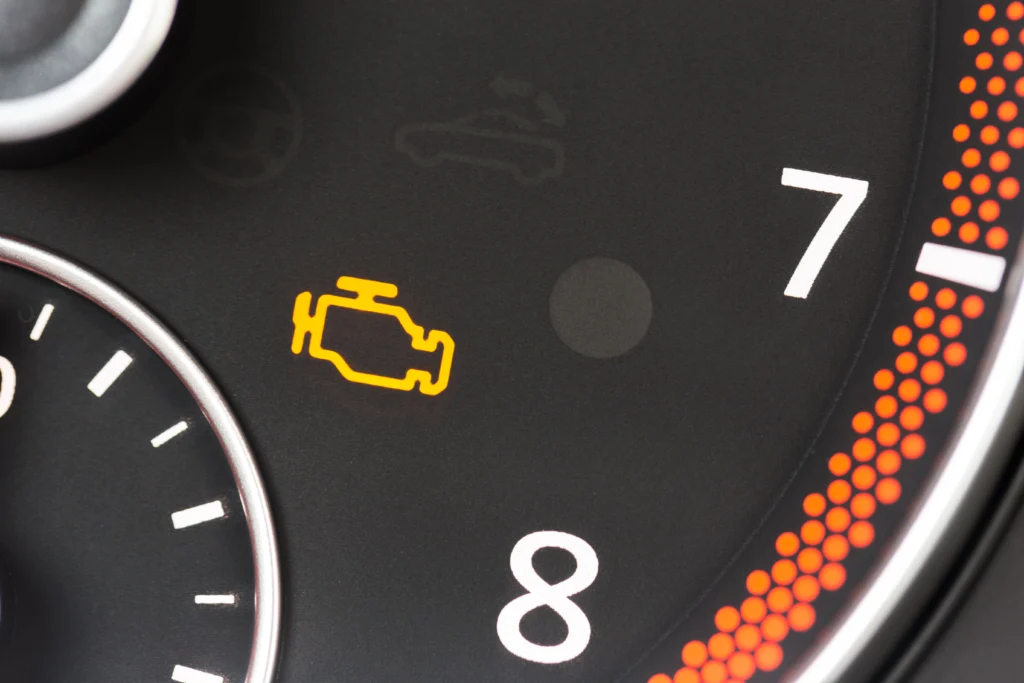
Modern vehicles are equipped with dashboard indicators that alert drivers when engine temperature rises beyond safe levels. Ignoring these warnings can cause serious damage.
Common signs of overheating include:
- Steam coming from under the hood
- A rising temperature gauge
- Unusual engine smells
- Loss of engine power
If any of these signs appear, it is important to stop the vehicle safely and allow the engine to cool before continuing.
Practice Smart Driving Habits
Driving habits can also influence engine temperature. Aggressive acceleration, heavy loads, and long hours of stop-and-go traffic can place extra stress on the engine.
Maintaining smooth driving patterns, avoiding unnecessary idling, and scheduling routine maintenance can significantly reduce the chances of overheating.
Conclusion
Preventing engine overheating is largely about awareness and routine maintenance. By keeping coolant levels adequate, ensuring the radiator and cooling fan work properly, monitoring oil levels, and addressing early warning signs, drivers can avoid serious engine problems.
Regular maintenance not only protects your engine but also improves overall vehicle reliability. Taking preventive steps today can save you from expensive repairs tomorrow and ensure a smooth, worry-free driving experience.